First released in 2010 to great acclaim, the 2012 Tio Pepe En Rama release is now on the market. It is limited to (I think) 300 cases, so get your skates on. It will set you back a bit under £20, but it's well worth it!
En Rama wines are those that are bottled straight from the solera with no filtration or clarification of any kind, and so you might find some wisps of flor in your bottle. (It's completely harmless) The increase in flavour over the normal Tio Pepe is amazing, and it is a lovely wine! (The classic old label is lovely too).
Another interesting item from GB is the release of another ultra hard-to-get wine, a 1978 Palo Cortado bottled (only 200 bottles!) to celebrate the 200th anniversary of the 1812 liberal Spanish Constitution of Cadiz (known affectionately in Spain as La Pepa). 1978 is, of course, the year the current democratic constitution was promulgated. Another connection is that the founder of GB, Manuel Maria Gonzalez Angel, was born in 1812.
Sunday, 29 April 2012

Bodegas Hidalgo La Gitana
This famous old bodega, named after its famous Manzanilla La Gitana (The Gypsy) and formerly known as Vinicola Hidalgo (to avoid confusion with Emilio Hidalgo in Jerez), was established in 1792 at Sanlucar de la Barrameda. Land was bought where the bodega now stands, and in 1808 a small bodega was bought. Throughout the XIX C the company grew into one of the most important in the area, winning awards for its exports.
The firm is still family owned, and currently run by Javier Hidalgo of the 6th generation, which makes it one of very few remaining independents. The wines are made in the old fashioned way from grapes supplied by the firm's own 200 hectares of vineyards in the prestigious areas of Miraflores and Balbaina including the charming Vina El Cuadrado with its Caserio (vineyard house/bodega). The family has always been exceptionally concerned with the environment and wildlife - Sanlucar is right beside the Coto Donana, a wonderful wildlife reserve.
In recent years they have diversified into La Gitana Restaurants and bars, as well as purchasing a bodega in the Rioja (formerly Montecillo - The wine is now called Marques de Arviza).A wide range of products is available from Hidalgo. Apart from Sherry, they make Brandy, Vinegar, Ponche and table wine. Their most important Sherries are:
Manzanilla:
La Gitana and the new but very hard to obtain (only 300 cases made) Manzanilla En Rama (more about En Rama anon); there is also a fabulous Manzanilla Pasada Pastrana.
The Premium Range:
Oloroso Faraon; Amontillado Napoleon; Cream Alameda; PX Triana.
The Vinos Viejos:
Amontillado, Palo Cortado and Oloroso Viejo; Palo Cortado Wellington (a donation is made to the Spanish Ornithological Society for the protection of the Iberian Imperial Eagle with the sale of every bottle).
Visits:
Visitors welcome, just phone the bodega to arrange.
Contact:
Banda de Playa, 42
11540 Sanlucar de la Barrameda, Cadiz, Spain
Tel: (0034) 956 385 304
bodegashidalgo@lagitana.es
 |
| Javier Hidalgo with a venencia |
 |
| Caserio el Cuadrado (foto:juntadeandalucia) |
Manzanilla:
La Gitana and the new but very hard to obtain (only 300 cases made) Manzanilla En Rama (more about En Rama anon); there is also a fabulous Manzanilla Pasada Pastrana.
The Premium Range:
Oloroso Faraon; Amontillado Napoleon; Cream Alameda; PX Triana.
The Vinos Viejos:
Amontillado, Palo Cortado and Oloroso Viejo; Palo Cortado Wellington (a donation is made to the Spanish Ornithological Society for the protection of the Iberian Imperial Eagle with the sale of every bottle).
Visits:
Visitors welcome, just phone the bodega to arrange.
Contact:
Banda de Playa, 42
11540 Sanlucar de la Barrameda, Cadiz, Spain
Tel: (0034) 956 385 304
bodegashidalgo@lagitana.es
Oloroso Abocado Alameda, Bodegas Hidalgo La Gitana
Appearance:
Deepish amber fading to yellow at the rim, coppery tints.
Nose:
Old Oloroso predominantly, with touches of "bodega", oxidation, walnut, wood and a trace of pasas (raisins) from the PX used to sweeten the wine. Well balanced between dry Oloroso and sweet PX.
Palate:
Mellow with gentle texture, not over sweetened, medium bodied, the Oloroso provides most of the flavour, the good length and quality of the wine, while the PX softens it.
Comments:
An attractive after dinner wine, ideal with nuts, softer cheeses or caramelly desserts. Also sold as "Alameda Cream", which is what it is, but a good one.
Deepish amber fading to yellow at the rim, coppery tints.
Nose:
Old Oloroso predominantly, with touches of "bodega", oxidation, walnut, wood and a trace of pasas (raisins) from the PX used to sweeten the wine. Well balanced between dry Oloroso and sweet PX.
Palate:
Mellow with gentle texture, not over sweetened, medium bodied, the Oloroso provides most of the flavour, the good length and quality of the wine, while the PX softens it.
Comments:
An attractive after dinner wine, ideal with nuts, softer cheeses or caramelly desserts. Also sold as "Alameda Cream", which is what it is, but a good one.
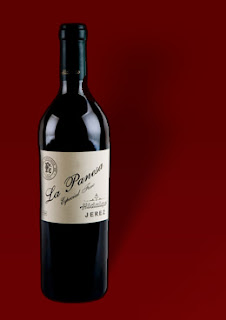
Fino Especial La Panesa, Bodegas Emilio Hidalgo
Appearance:
Deep strawy gold, quite deeply coloured for a Fino (It is an amazing 15 years old)
Nose:
Quite intense and seriously complex, autolysed yeast undertones, saline hints and a fullness which only age can confer. It really shows how yeast and time affect the Finos. Beautiful.
Palate:
Full with attractive hint of bitterness from the Flor, almost powerful, concentrated Fino towards Amontillado - but not quite, traces of toast, quince jelly (crema de membrillo), low acidity yet tangy and with great length.
Comments:
Quite simply a wonderful wine. It is named after a vineyard they once owned and comes from a solera laid down in 1961 to celebrate the birth of Alfonso Rodriguez Hidalgo. 15 years would have turned most wines to Amontillado, but this still has just a little flor left, and is definitely still more Fino than Amontillado. The wine is made from a selection of the best wines in the fino solera and is then fed through 7 criaderas using very small sacas and rocios. The solera itself is in the most humid part of the bodega to preserve the flor. Only about 8,000 bottles are available annually. An absolute masterpiece.
Price
Around £35 but worth it!
Deep strawy gold, quite deeply coloured for a Fino (It is an amazing 15 years old)
Nose:
Quite intense and seriously complex, autolysed yeast undertones, saline hints and a fullness which only age can confer. It really shows how yeast and time affect the Finos. Beautiful.
Palate:
Full with attractive hint of bitterness from the Flor, almost powerful, concentrated Fino towards Amontillado - but not quite, traces of toast, quince jelly (crema de membrillo), low acidity yet tangy and with great length.
Comments:
Quite simply a wonderful wine. It is named after a vineyard they once owned and comes from a solera laid down in 1961 to celebrate the birth of Alfonso Rodriguez Hidalgo. 15 years would have turned most wines to Amontillado, but this still has just a little flor left, and is definitely still more Fino than Amontillado. The wine is made from a selection of the best wines in the fino solera and is then fed through 7 criaderas using very small sacas and rocios. The solera itself is in the most humid part of the bodega to preserve the flor. Only about 8,000 bottles are available annually. An absolute masterpiece.
Price
Around £35 but worth it!

Sunday, 15 April 2012
Bodegas: Delgado Zuleta
One of the oldest Sherry firms, Delgado Zuleta was officially established in 1744 - though there is evidence of trading going back to 1719 - by Don Francisco Gil Ledesma y Sotomayor to supply wines to the American colonies. In 1870 his descendant Don Jose Delgado y Zuleta, once a marine arrived at Sanlucar de la Barrameda, married Dolores Nudi y Diaz de la Concha and took over the reins of the firm. In 1876 the company was appointed as a supplier to the royal household.
In 1918 their famous Manzanilla La Goya became the house's first and principal brand. It was named after the stage name of a well known singer and dancer of the era, Aurora Jauffre "La Goya".

In 1978 they merged with the firm of Benito Rodriguez La-Cave SA, retaining the title Delgado Zuleta. Manzanilla La Goya was served at the wedding of the Principes de Asturias - Don Felipe and Dona Letizia in May 2004. They are now King and Queen after the abdication of Don Juan Carlos I.
For a long time the firm owned no fewer than 24 bodegas in Sanlucar: Monte de Piedad, Gitanos, Cuestecilla, Carmen Viejo, Pastora, Luis Equilaz and Trillo, to name a few, but with urban development they became less practical, scattered as they were around the city. Furthermore, their microclimate had been affected and extra precautions to protect the flor had to be implemented. In 1998 the firm consolidated them all into one purpose built complex ideally suited by way of atmosphere to the ageing of Manzanilla. The chosen site is on the Avenida Rocio Jurado, on the Chipiona road. Orientated south-west with good exposure to the west winds and suitable soil humidity (it is built on albariza), the new bodega was designed by Carlos Delgado Hidalgo.
Moving soleras is a nightmare as many butts are very old and might not stand the disturbance. The oenologist, Manolo Barba, worked with five expert coopers to check the condition of every butt and make any repairs necessary, always using old staves already "known" to the wine. The younger wines - the criaderas - were moved first to acclimatise in their new surroundings, so that when the soleras arrived, they would be fed by wine which was in good shape. The solera casks were arranged extremely carefully, as over centuries bearing the weight of the criaderas, they can be a little distorted. This process took 16 years. It was not till 2012 that Manolo decided that they could make a special approximately annual saca, the outstanding Goya XL which is bottled en rama.
At one time the firm owned top quality vineyards in the Pago Miraflores, such as Viña Las Treinta, but has since sold them and buys in musts from growers and cooperatives.
 |
| Export Director Pelayo Garcia with a bottle of La Goya |
The bodega markets various brands:
From the soleras of Rodriguez de Lacave: Manzanilla Pasada Barbiana
Amontillado Viejo Quo Vadis
Amontillado Goyesco
From DZ soleras : Manzanilla La Goya
Manzanilla La Goya XL
Amontillado Viejo Zuleta
From joint soleras or blending: Monteagudo premium range
Las Sierras Oloroso/PX/Moscatel
Las Señoras Oloroso Abocado
Abuelamaria Oloroso Abocado
Zuleta range
New solera: Manzanilla Entusiastica, organic Manzanilla
This organic Manzanilla is made from mosto from the Trebujena vineyard of Pepe Cabral, a local pioneer in organic viticulture, and is getting better with every annual saca.
The firm also produces vinegar and the table wine Viña Galvana blended from Moscatel and Palomino grapes.
Visits can be arranged by prior appointment -
Contact: comercial@delgadozuleta.com
Avda. Rocio Jurado (Carretera Chipiona), km 1.5
11540 Sanlucar de la Barrameda, Cadiz
Tel: (+34) 956 360 543
Amontillado Viejo Quo Vadis? 18.5%, Delgado Zuleta
Appearance
Attractive bright amber with reddy copper tints.
Nose
Classic amontillado; intensely aromatic, fresh and complex, all the usual hazelnuts but with less usual spicy traces of clove hazelnut and nutmeg. Well-honed saline flor notes still persist, and only this complexity gives away its age.
Palate
Dry, tangy and quite full yet supremely elegant despite phenolic traces from the wood, very fresh and incredibly long and complex.
Comments
For a wine of well over 40 years solera age (Carbon 14 tests show it is 48), Quo Vadis is amazingly fresh and youthful but at the same time very complex. Quite delicious and a "must try". The label gives the name Rodriguez- Lacave, a bodega which merged with Delgado Zuleta in 1978, and whose very traditional labels were still used until recently. This wine has an interesting story. It started out with Miraflores grapes which were fermented into Manzanilla in barrel, which was not unusual, but the barrels were new, which was unusual. As a result, the bodega could not sell the wine and it was stored at the Rodriguez house for many years, naturally becoming an Amontillado. It is now one of the best wines in Sanlucar.
 Price
Price
Around £48
Attractive bright amber with reddy copper tints.
Nose
Classic amontillado; intensely aromatic, fresh and complex, all the usual hazelnuts but with less usual spicy traces of clove hazelnut and nutmeg. Well-honed saline flor notes still persist, and only this complexity gives away its age.
Palate
Dry, tangy and quite full yet supremely elegant despite phenolic traces from the wood, very fresh and incredibly long and complex.
Comments
For a wine of well over 40 years solera age (Carbon 14 tests show it is 48), Quo Vadis is amazingly fresh and youthful but at the same time very complex. Quite delicious and a "must try". The label gives the name Rodriguez- Lacave, a bodega which merged with Delgado Zuleta in 1978, and whose very traditional labels were still used until recently. This wine has an interesting story. It started out with Miraflores grapes which were fermented into Manzanilla in barrel, which was not unusual, but the barrels were new, which was unusual. As a result, the bodega could not sell the wine and it was stored at the Rodriguez house for many years, naturally becoming an Amontillado. It is now one of the best wines in Sanlucar.

Around £48
News from Jerez
President of the Jerez Consejo Regulador (CRDO) Antonio Fernandez said in a recent press conference that the CRDO has suffered "collateral damage" from the bankruptcy of Nueva Rumasa (more about Rumasa anon) owing the Consejo 62,000 euros which is unlikely ever to be paid.
He also said that sales were falling, particularly in the domestic market, although there were signs of optimism in the UK and Holland, where the drop in sales has levelled off, and in Asia where there is growth.
Nonetheless, the picture is pretty gloomy, and it is up to us aficionados to spread the word and convince everyone - even Spain! - how good the wines are.
He also said that sales were falling, particularly in the domestic market, although there were signs of optimism in the UK and Holland, where the drop in sales has levelled off, and in Asia where there is growth.
Nonetheless, the picture is pretty gloomy, and it is up to us aficionados to spread the word and convince everyone - even Spain! - how good the wines are.
Subscribe to:
Posts (Atom)